We use cookies to make your experience better. To comply with the new e-Privacy directive, we need to ask for your consent to set the cookies. Learn more.

What You Need to Know About Chapter 8 Van Chevrons
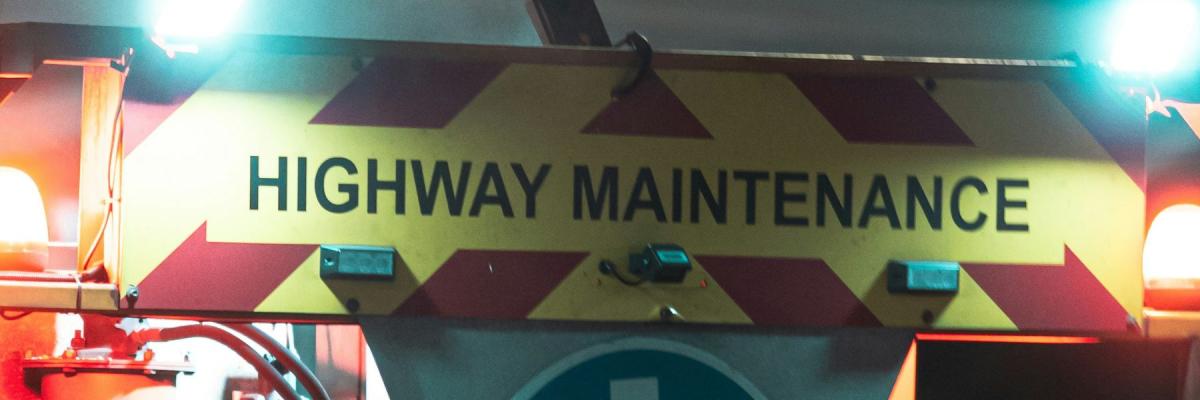
Chapter 8 van chevrons are one of the most recognisable safety features on UK roads, yet for some, they still remain misunderstood. These bold red and yellow reflective stripes on vans, trucks, and highway vehicles aren’t there for decoration, branding, or tradition and exist because roadside work can be dangerous, and improving visibility can help keep people safe.
Every year, near misses and serious incidents happen simply because a stationary or slow-moving vehicle was not seen early enough, and Chapter 8 van chevrons are made to prevent exactly these kinds of scenarios. They act as an immediate visual warning, alerting drivers that there is a hazard ahead and giving them valuable time to slow down, change lanes, or react safely, and understanding what Chapter 8 really means, when it applies, and how it should be implemented is essential for anyone operating a van on or near public roads. Let’s find out more about Chapter 8 van chevrons.
What Does “Chapter 8” Actually Mean?
The term “Chapter 8” comes from the UK’s Traffic Signs Manual, a detailed document that sets out guidance for road signage, markings, and temporary traffic management. Chapter 8 specifically addresses safety at street works and road works, including the visibility of vehicles involved in these activities. Although Chapter 8 is technically classed as guidance rather than law, it carries significant authority. Courts, insurers, local authorities, and highway agencies all treat it as the recognised benchmark for safe practice, and failing to follow Chapter 8 guidance can leave individuals and organisations exposed to legal and financial consequences.
Chapter 8 exists because traditional vehicle markings and hazard lights alone were sometimes not enough to prevent accidents, especially on high-speed roads and in poorer weather conditions. The guidance was developed to create a consistent, instantly recognisable system of visual warnings that drivers across the UK would understand without thinking. When motorists see Chapter 8 chevrons, they can instinctively recognise danger, and that instant recognition is exactly what makes them so effective.
What Are Chapter 8 Van Chevrons?
Chapter 8 van chevrons are reflective diagonal stripes applied to the front and rear of vehicles that are stopped or operating on highways. The pattern, colours, and layout are all deliberately chosen to maximise visibility and contrast, easily being able to stand out from traffic, street lighting, weather conditions, and surrounding infrastructure. The diagonal striping used in Chapter 8 chevrons creates a sense of movement and urgency. Human vision is naturally drawn to angled lines and contrasting colours, especially when those colours reflect light. At night, headlights striking reflective chevrons create a bright, unmistakable warning signal that stands out far more effectively than brake lights or hazard flashers alone.
Why Are Chapter 8 Van Chevrons So Important?
Reducing Collisions and Near Misses
One of the biggest dangers faced by roadside workers and stationary vehicles is late driver reaction, with vehicles travelling at motorway speeds, covering vast distances in seconds. Chapter 8 van chevrons dramatically increase the distance at which a vehicle can be seen. This extended visibility window allows drivers to process the situation calmly rather than reacting suddenly, which can prevent rear-end collisions, harsh braking, and dangerous swerving.
Protecting Workers, Vehicles, and the Public
Beyond protecting vehicles, Chapter 8 chevrons can also safeguard the people working around them. Engineers, maintenance staff, surveyors, and recovery operators all rely on clear visual warnings to create safer working zones. Chevrons also protect other road users by reducing unpredictable driving behaviour caused by sudden hazards.
When Are Chapter 8 Van Chevrons Required?
Use on Motorways and High-Speed Roads
Vehicles working on motorways, dual carriageways, and other high-speed routes are the most common users of Chapter 8 chevrons, and vans that stop on hard shoulders, central reservations, or live carriageways for work purposes are expected to display compliant markings. Whilst private motorists are not required to display chevrons, the moment a vehicle is used for work on these roads, expectations can change.
Utility, Construction, and Highway Maintenance Vehicles
Utility companies, local councils, telecom providers, and construction firms almost universally require Chapter 8 compliance. Contracts often specify exact standards, and non-compliant vehicles may be refused access to worksites or removed from service until corrected.
Summary
Chapter 8 van chevrons are a vital safety measure designed to prevent accidents and protect lives on UK roads. No matter if you're operating a single van or managing an entire fleet, understanding and applying Chapter 8 guidance helps keep your vehicles clearly visible, especially in high-risk environments like motorways and roadworks. Whilst not legally enforced, Chapter 8 compliance is widely expected and often essential for contracts, insurance, and public safety, and by using properly designed and positioned chevrons, you’re staying compliant as well as actively making the roads safer for everyone.
Premium Van Chevrons from App Tape
If you’re working with vehicles that operate on UK roads, no matter if it's a single work van or a whole fleet, having reliable, compliant Chapter 8 chevrons is essential. That’s why we offer van chevrons for a wide range of popular vans from world-renowned manufacturers like Ford, Fiat, Renault, and many more. If you need markings for the bonnet, rear, or both, these high-visibility graphics are easy to apply, look sharp, and meet safety standards. So, if you want a no-fuss way to stay compliant and improve your van’s roadside visibility, check out our van chevron kits today. Or if you’re looking for other vehicle graphics or safety solutions, feel free to explore our website!