We use cookies to make your experience better. To comply with the new e-Privacy directive, we need to ask for your consent to set the cookies. Learn more.

Reflective Films vs Tinted Films – Which Is Right for You?
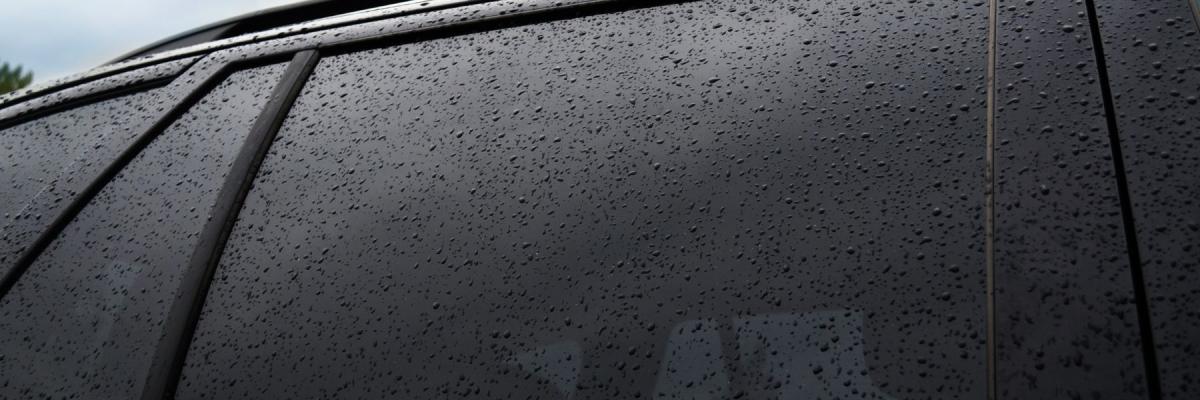
If you’ve been exploring ways to improve the comfort, privacy, or energy efficiency of your home, office, or vehicle, then you may have come across both tinted and reflective films. At first glance, they might seem quite similar; however, there are important differences between them, and choosing the right one can make a huge difference in terms of appearance, performance, and long-term satisfaction. No matter if you're looking to reduce glare in your conservatory, increase privacy in your office, or cool down your car interior in the summer, it’s essential to understand how both kinds of films work, where they perform best, and what separates one from the other in order to get your desired results and make the most of your wrapping products. Let’s look at reflective and tinted films in more detail and what sets them apart.
What Are Reflective Window Films?
Reflective window films are made with a thin metallic layer that reflects a large portion of sunlight and visible light. When applied to a window, this film can create a mirrored effect on the exterior side during daylight hours. It’s designed to bounce sunlight away and is particularly popular in buildings where daytime privacy and heat reduction are essential, such as offices and other commercial buildings. The biggest benefit of reflective films is their ability to reduce heat and glare whilst offering one-way privacy during the day. They’re also highly effective at blocking UV rays, which helps protect furniture, flooring, and equipment from fading.
What Are Tinted Window Films?
Tinted films use dyed or pigmented layers to reduce the amount of light that passes through the glass. Rather than reflecting light, these films absorb it, creating a softer shading effect rather than a mirrored finish. Tinted films come in a range of shades, from light grey to dark charcoal, and are often chosen when the goal is to reduce brightness whilst maintaining a more natural, subtle appearance. They’re commonly used in vehicles, residential homes, and interior spaces where occupants want reduced glare without altering the look of the window too dramatically. Tinted films are popular because they offer a simpler look whilst still providing heat and glare reduction.
Key Differences Between Reflective and Tinted Films
Appearance
One of the most noticeable differences between reflective and tinted films is how they look. Reflective films give the outside of the glass a shiny, mirror-like finish, especially during the day. Tinted films, on the other hand, tend to make glass look slightly darker but don’t usually create a mirrored effect. Inside, both types can offer a lightly tinted view, but reflective films may slightly distort colours more than tinted films, particularly if they are metallic or silver in tone.
Performance in Different Light Conditions
Reflective films rely on the light differential between the inside and outside of an area. During the day, they offer excellent one-way privacy, but at night, if your lights are on indoors, the privacy effect disappears. Tinted films don’t rely on this differential and can provide a consistent level of privacy regardless of time.
Privacy and One-Way Visibility
If privacy is your priority during daylight hours, reflective films are superior. They make it extremely difficult for outsiders to see in, while those inside can still see out clearly. Tinted films may reduce visibility very slightly but are unlikely to create a true one-way mirror effect.
Heat and Glare Reduction
Both films can reduce heat and glare, but reflective films are more effective in high-exposure areas because they reflect sunlight away. Tinted films absorb more heat, which may not be as efficient in hotter settings.
Settings that Benefit from Tinted or Reflective Films
Tinted and reflective films are both highly beneficial and have distinct characteristics that make each one different. In order to further help you in deciding which one is the better option, let’s look at some real-world scenarios so you can know where each kind truly excels.
Homes and Conservatories
If your conservatory or south-facing lounge gets too hot or unbearably bright, a reflective film may be a great option for glare and heat control. However, if you’re after a more discreet solution that preserves the building’s character, especially in a heritage home, tinted films like Neutral Grey may be more suitable.
Offices and Commercial Buildings
Offices tend to benefit most from reflective films, as they can offer daytime privacy, temperature regulation, and a professional exterior appearance. Large glass-fronted buildings, in particular, may even see a huge energy benefit from them.
Vehicles
In vehicles, tinted films are far more common, offering glare control and UV protection whilst still complying with legal visibility standards. Reflective films are typically avoided in cars because they can impair visibility at night and may not be legal on certain windows.
Schools and Public Buildings
Public buildings often have restrictions on altering external appearances. In such cases, low-mirror or neutral-tinted films provide a more subtle look whilst still reducing glare and improving internal comfort. However, for offices or administration areas within these buildings, reflective films may still be appropriate.
Installation and Maintenance: Are They Any Different?
Both reflective and tinted window films are typically installed the same way, being applied to the inside of the glass using a water-based solution that allows the film to be positioned before it's smoothed into place with a squeegee. Whilst tinted films are often more flexible and easier to handle, reflective films may require slightly more care during installation due to their metallic layer. Maintenance is also simple for both film types. Once installed, allow a few days for curing before cleaning, and use a soft cloth and a non-abrasive, ammonia-free cleaner to avoid damaging the surface. With proper care, both reflective and tinted films can last for many years, continuing to provide excellent performance with minimal upkeep.
Reflective Films from ATC
If you’ve decided that reflective film is the best option, no matter if it’s for heat reduction, daytime privacy, or glare control, then you should take a look at what we have to offer here at ATC. We stock a huge array of high-quality reflective window films that can offer incredible performance in a range of different environments. One of our top offerings is the Oralite 5200 Series Commercial Grade Film, which is extremely reflective and has a weather-resistant finish that makes it excellent for outdoor use. For other demanding applications where brightness and clarity are essential, the Oralite VC170 Microprismatic Film is an ideal option, especially for low-light conditions. These, however, are just two of many outstanding products that you can find in our online store, and if you would like to discover all of our options, you can browse our website today. If you have any questions, please email [email protected], and a member of staff will be in touch.
Choosing the Right Film for Your Space
When it comes to enhancing privacy, reducing glare, and controlling heat, both reflective and tinted window films offer unique benefits, but which one is best for you depends entirely on your priorities and where the film will be used. Reflective films excel in environments where daytime privacy and high solar control are essential, whilst tinted films are ideal for situations that require a softer appearance with consistent, all-day performance. By understanding the differences in appearance, light control, and performance, you can make a more informed choice that not only meets your needs but also enhances comfort and efficiency, no matter if it’s a sunny conservatory, a busy office, a family vehicle, or a public building.